On Oʻahu's rural coast, Puʻuhonua o Waiʻanae began as a homeless encampment under threat of eviction. Rather than scatter, residents co-created their own future: a self-determined village with permanent homes, a vibrant community center, acres of food production, and governance rooted in ancestral stewardship. More than housing, the village is an integrated model of shelter, sustenance, and self-governance shaped by those closest to the struggle.
In Hawaiian tradition, a puʻuhonua is a sanctuary or place of refuge. Here, it became the foundation for a movement toward dignity and housing justice. What began as crisis planning has become a nationally relevant model, demonstrating that communities facing displacement often hold the deepest knowledge of resilience, belonging, and self-determination. The project, partially realized, was honored with APA Hawaiʻi's 2021 Community-Based Planning Award, affirming its innovation within the profession.
This presentation reveals how Indigenous roots and community power can reframe housing not only as shelter, but also as living systems inseparable from planning and design. Understand the lived experience of Puʻuhonua o Waiʻanae and gain practical tools for co-creating with marginalized communities, using deep relationship-building, trust-centered engagement, and consensus-based governance.
Leave empowered with the motto "Aloha Lives Here" as a living planning ethic. Closed Captioning
Learning Objectives:
Analyze how Indigenous cultural values, community traditions, and lived experiences combine to guide innovative, community-led housing solutions that strengthen dignity, belonging, resilience, and collective self-determination.
Apply inclusive planning tools and participatory methods that elevate marginalized voices, honor cultural identity, and create socially just, scalable, and replicable housing models responsive to diverse community needs.
Evaluate transferable lessons from Puʻuhonua o Waiʻanae’s transformation and identify adaptable strategies for equitable housing and infrastructure when faced with homelessness, displacement, environmental stress, and climate vulnerability.

.jpg)
.png)
.png)
.png)
.png)
.png)
.jpg)
.jpg)
.png)
.png)
.jpg)
.png)
.jpg)
.jpg)
.png)
.png)
.png)
.png)
.png)
.jpg)
.png)
.png)








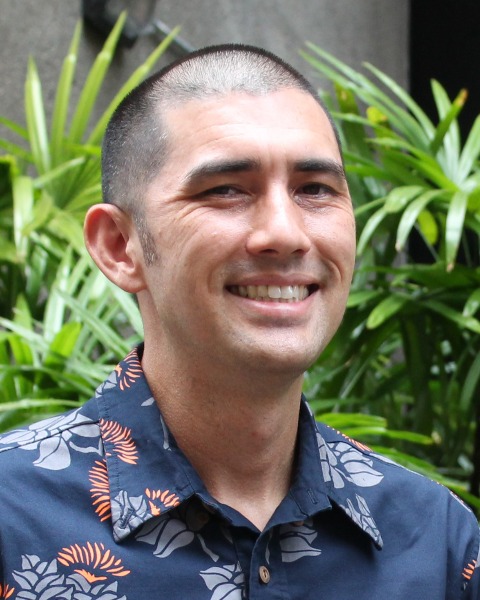
.jpg "Mark Kawika McKeague, AICP (Kanaka Maoli) photo")